The 6 Root Causes Behind Your Endometriosis Symptoms: What You Need to Know
The six factors behind endometriosis symptoms, and practical ways to manage inflammation, balance hormones, and improve your quality of life.
Dr. Abrar Al-Shaer, PhD, RD ·
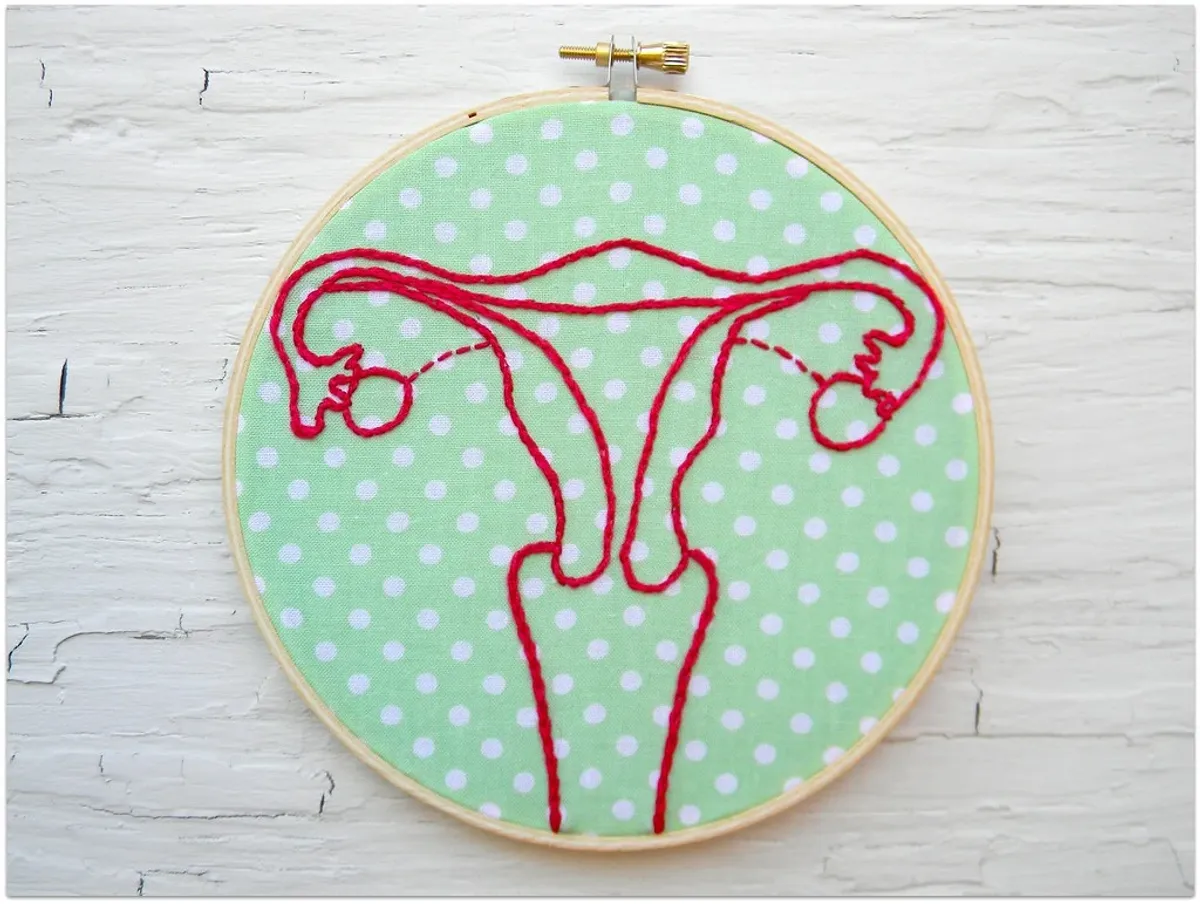
Endometriosis is a painful and challenging condition that affects millions of women around the world. Endometriosis is a chronic condition where the endometrial tissue, which is supposed to grow inside the uterus, grows outside of it, causing a range of painful symptoms. While there is no known cure for endometriosis, understanding its root causes can help you better manage your symptoms and improve your quality of life. In this article, I explain six key factors that contribute to endometriosis symptoms and offer insights on how to address them.
All the points below also apply for adenomyosis and uterine fibroids, as all these conditions share these 6 root causes.
The Impact of Poor Sleep on Endometriosis Health
Lack of quality sleep can significantly impact your endometriosis symptoms. Sleep is essential for the body’s healing and recovery processes. When you don’t get enough sleep, your body struggles to repair damaged tissues and manage inflammation. In fact, research has shown that women who get poor quality sleep have worsened period pain! (1, 2) Implementing the strategies listed below is crucial to getting good quality sleep.
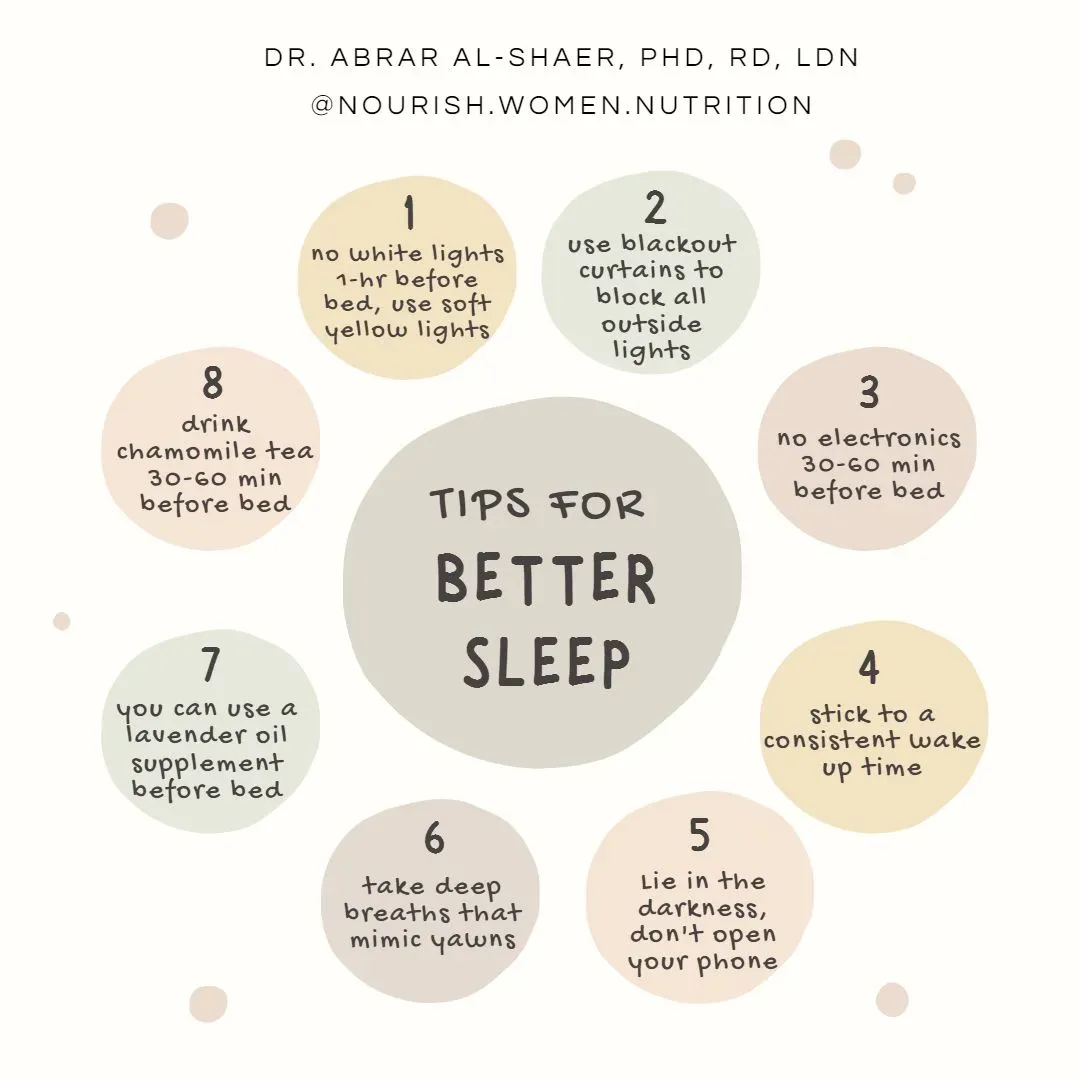
If you notice, many of the strategies emphasize being in the dark and minimizing white light (white house lights) and blue light (from electronics) exposure. This is because melatonin, the hormone that helps you sleep, gets significantly disrupted from any light that can mimic sunlight exposure. White and blue lights do exactly that. They signal to your brain that there is still a light stimulus outside, which then lowers your melatonin. When your melatonin decreases not only will you have a harder time falling asleep, but even when you do sleep you will have a hard time experiencing deep sleep. Having robust melatonin levels when you’re going to bed is crucial to good quality sleep and good hormone health. Melatonin is one of the main hormones that allows your body to detoxify and lower inflammation while sleeping, without it many organ systems suffer. The next time you can’t fall asleep resist the urge to look at your phone, lie in the darkness and allow your melatonin levels to naturally rise to help you go to sleep.
How about supplementing with melatonin?
Interestingly research has shown that melatonin supplementation can actually help improve endometriosis symptoms. (3) This is likely due to melatonin’s detoxification and inflammation lowering benefits that I mentioned. And the nice thing about melatonin supplementation is that it does not disrupt your body’s own melatonin production. Meaning, if you take extra melatonin your body will still make its own melatonin level like it would any other day. The dosing of melatonin ranges anywhere from 0.1mg-10mg, with 10mg being quite high and should be under the supervision of a medical provider. Discuss with your provider what melatonin dosage may be best for you and check out the sleep foundation’s website for more information on dosage and how to use melatonin properly.
How Too Much Inflammation Worsens Endometriosis Symptoms
Inflammation is the body’s natural response to injury or infection, it’s basically your immune system’s way of saying “there’s a problem here!”. But infections and injuries are not the only triggers for inflammation. Certain foods, environmental chemicals, poorly balanced blood sugar, poor sleep, and even stress can all trigger inflammation as well. Too much inflammation can exacerbate endometriosis symptoms. Inflammation causes increased pain and can contribute to the development of scar tissue and adhesions. To reduce inflammation, an anti-inflammatory diet, rich in fruits, vegetables, whole grains, and healthy fats can significantly help reduce endometriosis pain and symptoms. At the same time make sure to limit highly processed foods and excess white sugars since they are pro-inflammatory – i.e., they increase inflammation.
The Key Principles of Anti-Inflammatory Eating
-
Blood Sugar Balance is the First Step – Balancing blood sugar means you try to help your body’s blood sugar stay stable throughout the day without major lows and highs. That means eating at consistent times (no skipping meals!), and making sure to balance carbohydrates and proteins adequately so that your blood sugar doesn’t spike too high and crash frequently throughout the day. I explain this in more depth and how to shop in a blood-sugar balanced manner in my video here.
-
Which Fats Are Best? Omega-3s, Omega-6s, and Monounsaturated Fats – Omega-3 fats are the best anti-inflammatory fats. Whereas too much omega-6 fats can increase inflammation. Omega-3 fats are found in foods like salmon, herring, mackerel, some types of eggs, etc. For a deep dive into omega-3 rich foods checkout my video here. I often recommend omega-3 supplements for my endometriosis patients since supplementing provides a consistent higher dose of omega-3s that can significantly lower inflammation and improve endo pain. For tips on choosing a good omega-3 supplement checkout my video here. Omega-6 foods on the other hand are mostly found in highly processed foods and seed oils like sunflower, safflower, or grapeseed oil (with the exception of flax seed!). Monounsaturated fats are wonderful anti-inflammatory fats as well and they exist mostly in avocadoes, extra virgin olive oil, and nuts.
-
Eat the Rainbow – The more different colored fruits and vegetables you eat the more variety in plant nutrients and anti-inflammatory plan compounds you get! Want strategies to help you get more variety, check out my video here!
-
Get Spicy – Eating a wide variety of herbs and spices provides powerful anti-inflammatory plant compounds that you won’t find anywhere else. Spices and herbs like ginger, turmeric, oregano, sumac, black pepper, onion, garlic, cardamom, cinnamon, cloves, and so many more are packed with anti-inflammatory nutrients!
-
The Misconceptions Around Soy – Soy can actually help reduce endometriosis symptoms! I explain in depth how that happens in my video here!
-
The Dairy Controversy – The inflammatory effects of dairy highly differ case-by-case and person to person depending on the individual’s symptoms, genetics, gut health, etc. However, it’s important to note that milk naturally contains estrogen and for endometriosis the estrogens in milk can potentially worsen symptoms. In addition, organic farms are prohibited from using supplemental hormones on the cows and the cows are given feed that is pesticide & fertilizer free, which helps minimize hormone-disrupting chemicals that the cow is ingesting. (4) Therefore, if you’re able to use organic milk rather than non-organic milk that can help reduce some of the added estrogen and chemical burden. So should you go dairy-free? I recommend to first implement all the other anti-inflammatory food strategies first along with the other 6 root causes I explain in this article. If after trying all of that you are still hitting a wall with your endo symptoms, you can try a dairy free trial period to assess how you feel. If after 3-6 months of being dairy free you notice a substantial improvement in your symptoms than remaining dairy-free may be best for you.
Endocrine Disrupting Chemicals and Xenoestrogens: The Hidden Culprits
Endocrine disrupting chemicals (EDCs) and xenoestrogens are chemicals that mimic or interfere with your body’s natural hormones. Xenoestrogens specifically are chemicals that can bind to your estrogen receptors and can increase your own body’s estrogen production. This is problem in endometriosis because more estrogen means can cause increase growth of endometrial adhesions, worsen pain and cramping, and increase inflammation. These chemicals can be found in everyday items like plastic containers, personal care products, and cleaning supplies. Exposure to these chemicals can significantly disrupt hormonal balance, worsening endometriosis symptoms. To learn more about where these chemicals hide and how to limit your exposure, read Unseen Threats: The Impact of Everyday Chemicals on Your Hormone Health.
The Role of High Estrogen Production and Poor Detoxification in Endometriosis Symptoms
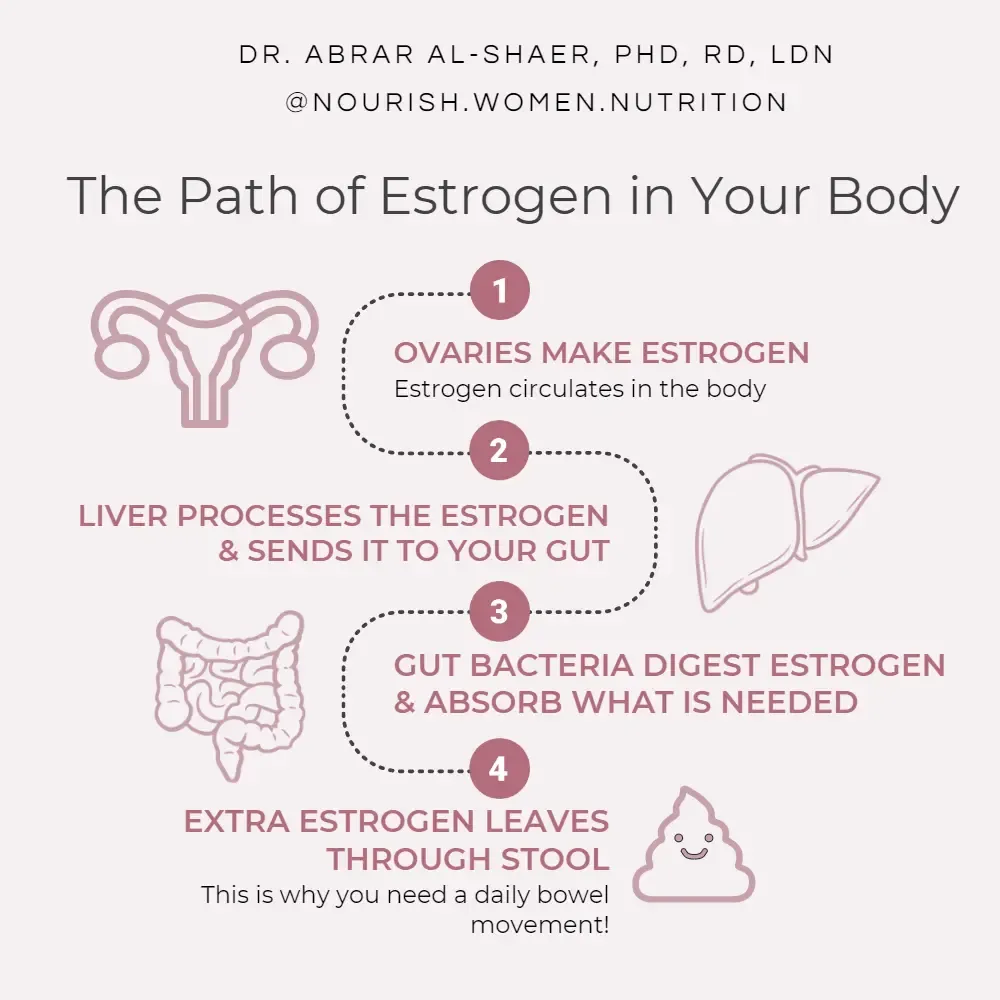
High estrogen levels and poor estrogen detoxification can contribute to the growth and progression of endometriosis. The liver and intestines play a crucial role in detoxifying excess estrogen. To support healthy estrogen balance, you want to make sure you’re having a daily bowel movement because excess estrogens leave through the stool (see this post here for more details).
You also want to support estrogen detoxification through the liver by eating a nutrient-dense diet, rich in vegetables and fiber. Additionally, you can consider supplementing with vitamins and minerals that support liver function and estrogen metabolism, such as B vitamins in the form of a B complex, magnesium, and calcium (check out my PMDD post to see dosing instruction for magnesium and calcium). Please make sure NOT to combine a B complex with a multivitamin. Multivitamins have B vitamins in them, so combining a B complex with a multivitamin can cause overdoses in B vitamins, which trust me is not a happy ending.
Herbs that help promote liver detoxification are dandelion root, milk thistle, and curcumin (from turmeric). Great brands that offer these herbs at good doses are Gaia herbs, Now Foods, Thorne, Pure Encapsulations, and Life Extensions (no sponsorships). You can use these herbs separately or in combination. And of course, as always, please make sure to check with your healthcare provider before starting any supplements, especially if on taking medications.
Chronic Stress and Activation of the HPA Axis: A Dangerous Duo
The HPA axis is a complex communication network that plays a central role in the body’s stress response and hormone regulation. It involves three key components: the hypothalamus, the pituitary gland, and the adrenal glands. Each component has a specific role in maintaining the body’s equilibrium in response to stress. Chronic stress can result in constant activation of the hypothalamic-pituitary-adrenal (HPA) axis, which can significantly worsen endometriosis symptoms. Stress increases inflammation, hormone imbalances, and compromised immune function. To better manage stress, try to incorporate stress-reduction techniques such as exercise, meditation, deep breathing, or yoga into your daily routine. A few deep breaths a day can serve as a wonderful reset to your HPA-axis and help lower the stress response. Lastly, don’t hesitate to seek support from friends, family, or a mental health professional if needed.
Rigorous exercise: friend or foe?
While moderate exercise is generally beneficial for overall health, rigorous exercise can exacerbate endometriosis symptoms. Intense workouts can increase inflammation which in turn can exacerbate hormonal imbalances, and negatively affect the immune system. It’s essential to find a balance between staying active and not overexerting yourself. Opt for low-impact activities like swimming, walking, biking, or gentle yoga to stay fit while minimizing the risk of worsening your symptoms.
And that’s it, folks! I hope you found this helpful. By addressing these factors, you can take control of your endometriosis and improve your overall health. Remember, it’s essential to work closely with your healthcare provider to develop a personalized treatment plan tailored to your unique needs.
References
-
Shechter A, Boivin DB. Sleep, Hormones, and Circadian Rhythms throughout the Menstrual Cycle in Healthy Women and Women with Premenstrual Dysphoric Disorder. Int J Endocrinol. 2010;2010:259345. doi:10.1155/2010/259345
-
Woosley JA, Lichstein KL. Dysmenorrhea, the menstrual cycle, and sleep. Behav Med. 2014;40(1):14-21. doi:10.1080/08964289.2013.829020
-
Schwertner A, Conceição Dos Santos CC, Costa GD, et al. Efficacy of melatonin in the treatment of endometriosis: a phase II, randomized, double-blind, placebo-controlled trial. Pain. 2013;154(6):874-881. doi:10.1016/j.pain.2013.02.025
-
Welsh JA, Braun H, Brown N, et al. Production-related contaminants (pesticides, antibiotics and hormones) in organic and conventionally produced milk samples sold in the USA. Public Health Nutr. 2019;22(16):2972-2980. doi:10.1017/S136898001900106X