Root Causes Behind Your PMOS/PCOS
PMOS/PCOS affects 10-13% of women worldwide, yet 70% go undiagnosed. Learn about the five distinct pathways of PMOS/PCOS (genetic, hypothalamic, stress, insulin, and adipose tissue) and why understanding your specific type is key to effective management.
Ashwini Achutharaman, RD Intern & Dr. Abrar Al-Shaer, PhD, RD ·
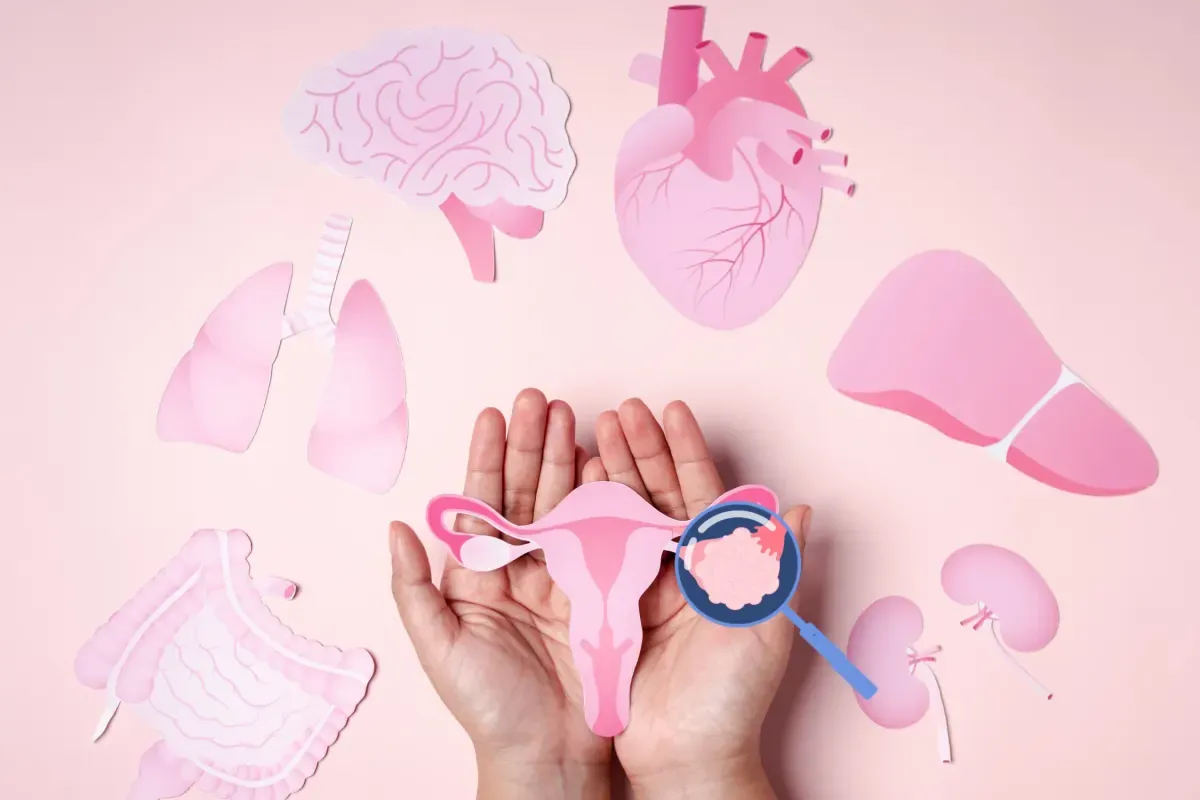
What is PMOS/PCOS?
Polycystic Ovarian Syndrome (PMOS/PCOS) is one of the most common hormonal conditions affecting women of reproductive age. Around 10-13% of women worldwide have PMOS/PCOS, and it is estimated that 70% of women never get diagnosed. Why are there so many women who never get a formal diagnosis of PMOS/PCOS? Part of the reason could be the diverse array of symptoms associated with PMOS/PCOS. These symptoms fall under three main categories: cycle regularity, testosterone-driven symptoms/labs, and the structural integrity of your ovaries. The symptoms of PMOS/PCOS are similar to other reproductive conditions, so it is important to rule those out before seeking advice on PMOS/PCOS management options. Hypothyroidism can also cause changes in skin and hair as well as weight gain, which can also be seen in PMOS/PCOS. To learn more about how your thyroid works, read our four part blog series on thyroid health, starting with Do I have a thyroid problem?. If you are still in your reproductive years but are not getting a regular period, you may have hypothalamic amenorrhea. To understand what this means and how you can test for it, check out our blog Do I have secondary amenorrhea?. Finally, if you are experiencing symptoms of menopause but are not sure how to navigate the transition, read our article Am I in Perimenopause?.
Five Pathways of PMOS/PCOS
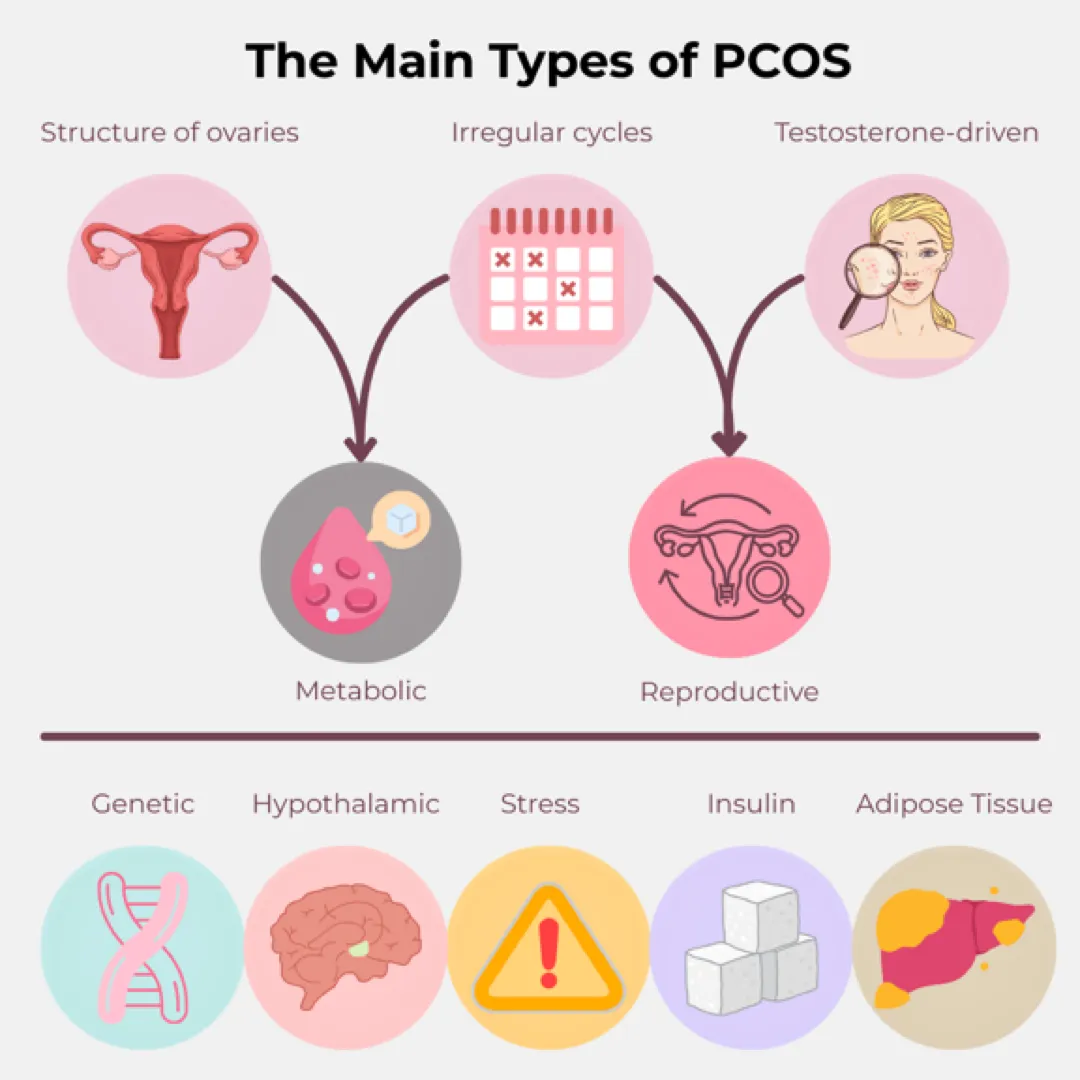
PMOS/PCOS is a more complex puzzle than it seems. To understand PMOS/PCOS, you should first understand the menstrual cycle. Our easy to follow visual guide breaks it down in a story-like format: Understanding Your Period: A Simple and Visual Guide. As mentioned earlier, there are three categories of symptoms. There are also two subtypes that fall on a spectrum between reproductive and metabolic. Combining these gives us five main presentations or pathway of PMOS/PCOS, each with a distinct set of symptoms and lab markers. Understanding which type of PMOS/PCOS you have is crucial for determining the most optimal management strategy to minimize your symptoms. Let’s dive into each type, exploring what makes them unique.
The Genetic Pathway
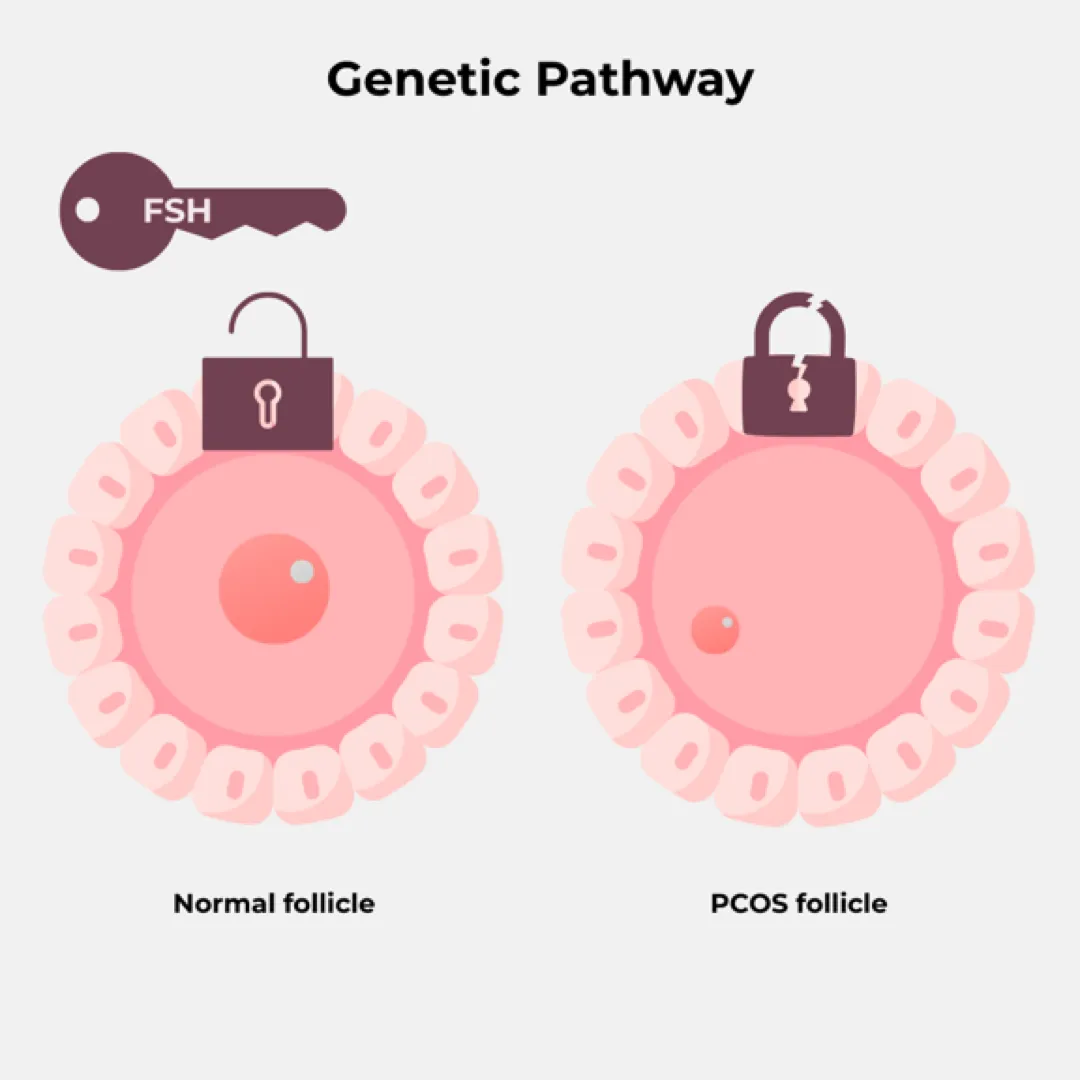
Out of the five main presentations of PMOS/PCOS, this is the easiest to understand. It is caused by genetic issues within your ovaries. Your ovarian cells become less sensitive to follicle stimulating hormone (FSH), the hormone that normally signals the follicles to develop. The egg is inside the follicle, but since the follicles do not mature, no egg is released and therefore, no period.
Symptoms for the genetic pathway lean towards the reproductive end of the spectrum. You may have irregular periods for as long as you can remember, but do not have facial hair or weight fluctuations. On a blood test, this would show up as high levels of luteinizing hormone (LH), low levels of FSH, and low progesterone.
The Hypothalamic Pathway
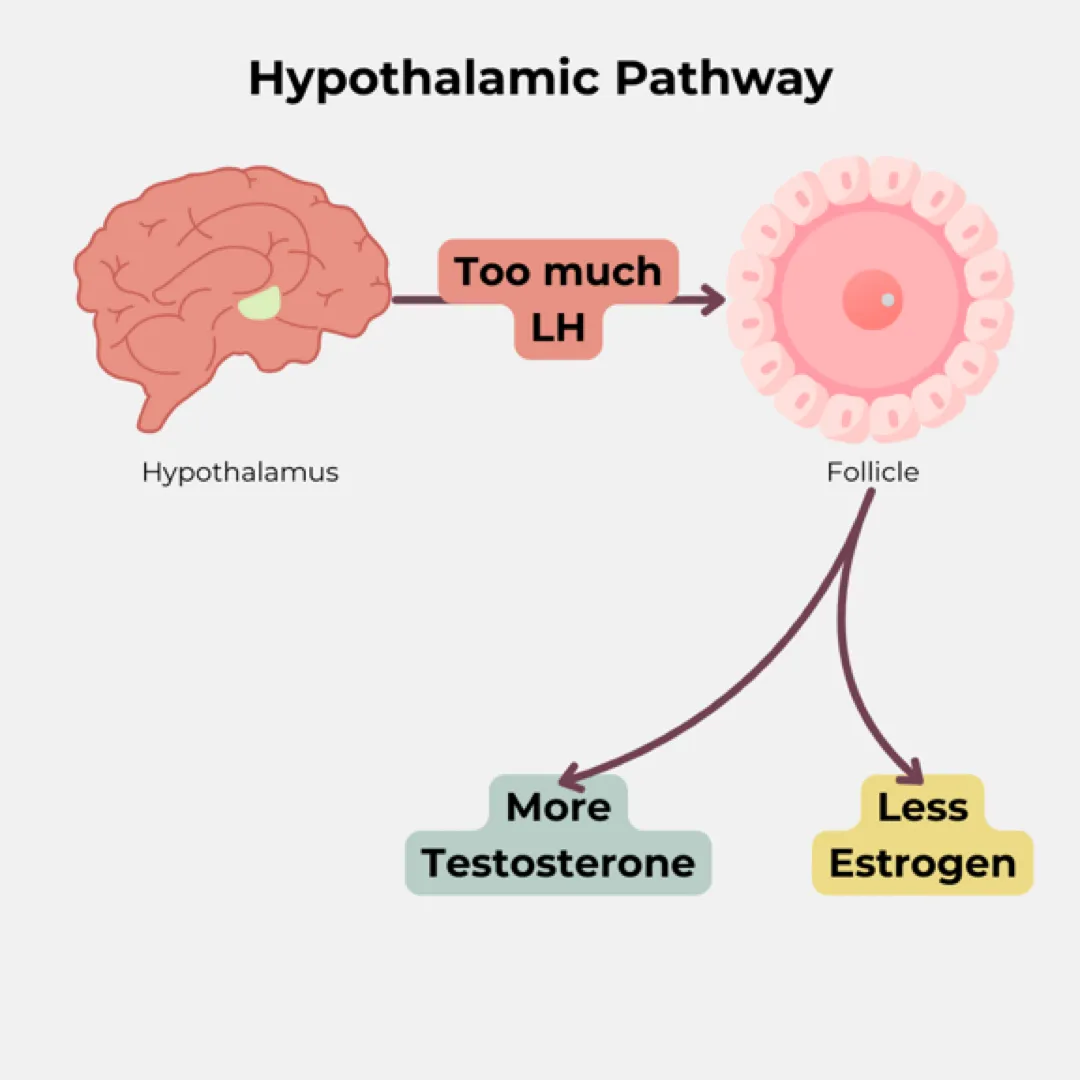
The second pathway is strongly linked to the brain’s control center, the hypothalamus. In this pathway, the hypothalamus sends a signal that causes more LH to be released from the pituitary glands. This tells the cells around the egg to produce more testosterone than estrogen. In order for the egg to be released from the ovary, we need strong estrogen and LH peaks. But, in this pathway, both LH and estrogen do not peak which means there is no ovulation.
On a person, this could have a combination of all three types of symptoms: irregular cycles, increased testosterone, and altered structure of your ovaries. You may notice more facial hair, acne, or alopaecia. It is also possible to have this form of PMOS/PCOS without having the many cysts in your ovaries. Lab markers for this can include high levels of LH and testosterone.
The Stress Pathway
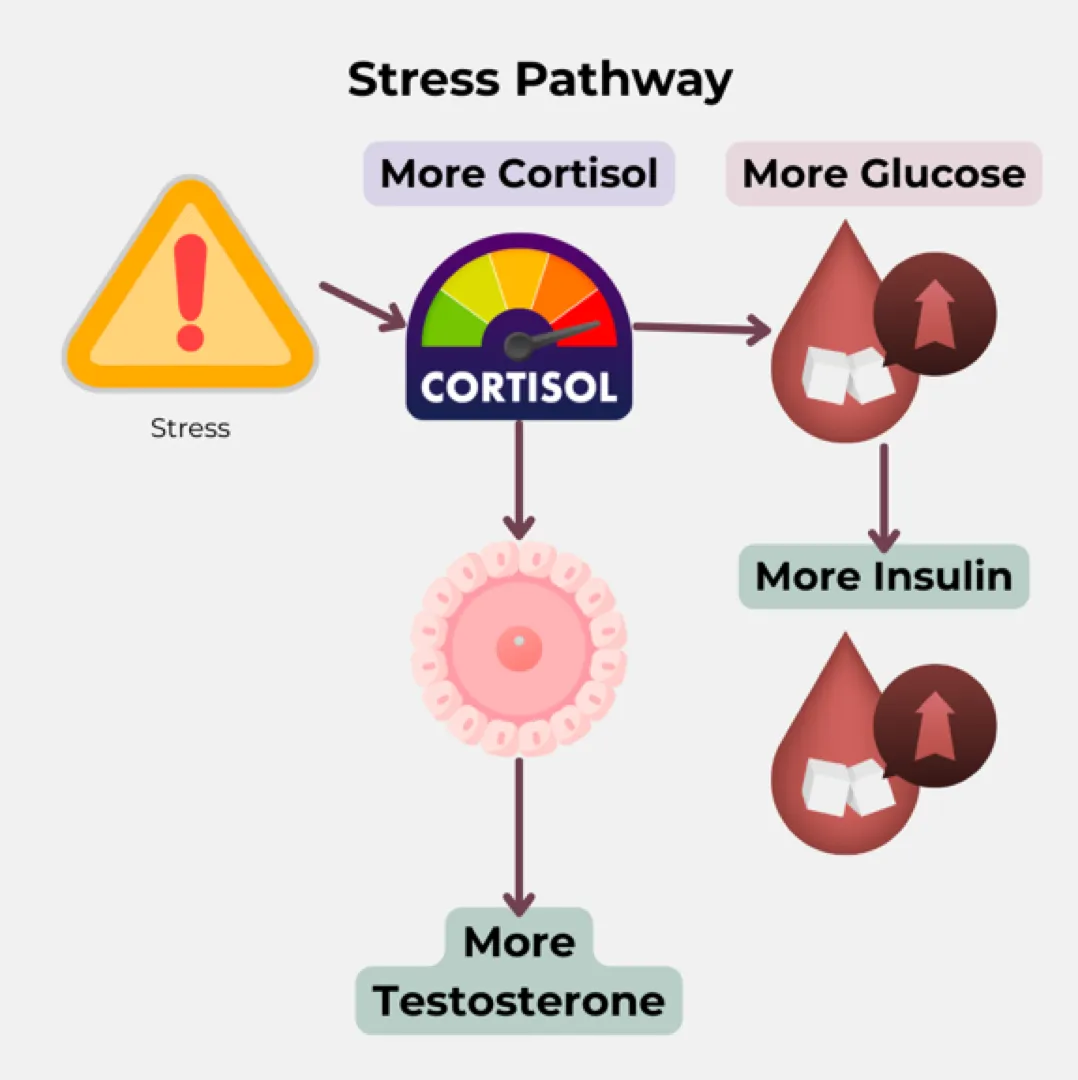
The third pathway is also related to your brain, specifically in response to external stressors. Stress goes beyond just mental stress. Exercise, sleep, and diet can all put your body in a state of high alert. Read more about how stress can affect your period here: Does stress affect your period?. High levels of stress cause an increase in cortisol, the chemical messenger that tells your body that it needs more energy in the form of glucose. Increasing the amount of glucose in your blood for a long period of time eventually leads to insulin resistance. If you feel like taking a nap after every meal, you may be on the path to insulin resistance. Read more about Main Causes of Insulin Resistance to understand steps you can take to reduce your risk.
The same signals that increase your cortisol also increase the amount of testosterone that is released which counteracts the signals needed to release an egg.
Symptoms of this pathway are more on the metabolic end of the spectrum. The intense sugar cravings you get? That is your body asking for more easy to access energy to fuel whatever is causing you to be stressed. Your symptoms may worsen during times of heightened stress or if you do not exercise. If you constantly feel like your brain is turned on and are seeking something to bring you back to center, read What Are Adaptogens? Natural Stress Relief. Lab markers of the stress pathway include progressively increasing HbA1c and blood glucose, normal LH and FSH, and high cholesterol.
The Insulin Pathway
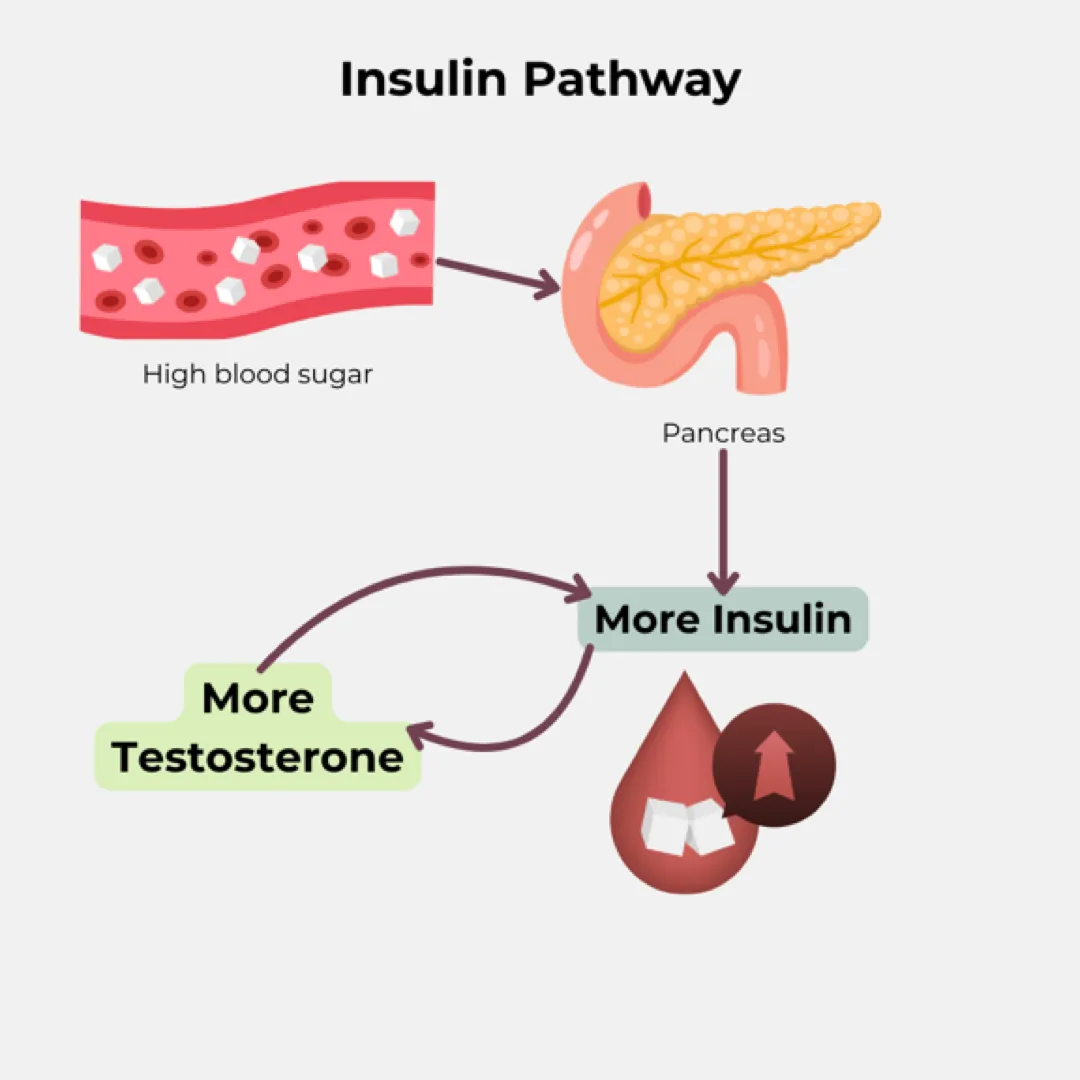
The fourth pathway also deals with insulin resistance but is not as closely linked to stress. In the insulin pathway, a high blood sugar signal tells the pancreas to release more insulin. This increases the amount of testosterone that is produced. The testosterone and insulin fall into vicious cycle where an increase in testosterone signals an increase in insulin and vice versa. Because the body is producing more testosterone, it does not produce as much estrogen which means estrogen cannot peak to signal an egg to be released from the ovary.
If you have this form of PMOS/PCOS, you likely deal with more of the metabolic symptoms. You may have increased cravings and feel fatigued despite being under a lower level of stress. It can also be helpful to look at changes in metabolic markers in this pathway. Our patients who have this form of PMOS/PCOS report improvements in their PMOS/PCOS symptoms when they manage their blood sugar even if they are not making an intentional effort to lose weight. On a lab report, this would look like high fasting insulin, high cholesterol, high blood pressure, low/normal LH and FSH, and high testosterone.
The Adipose Tissue Pathway
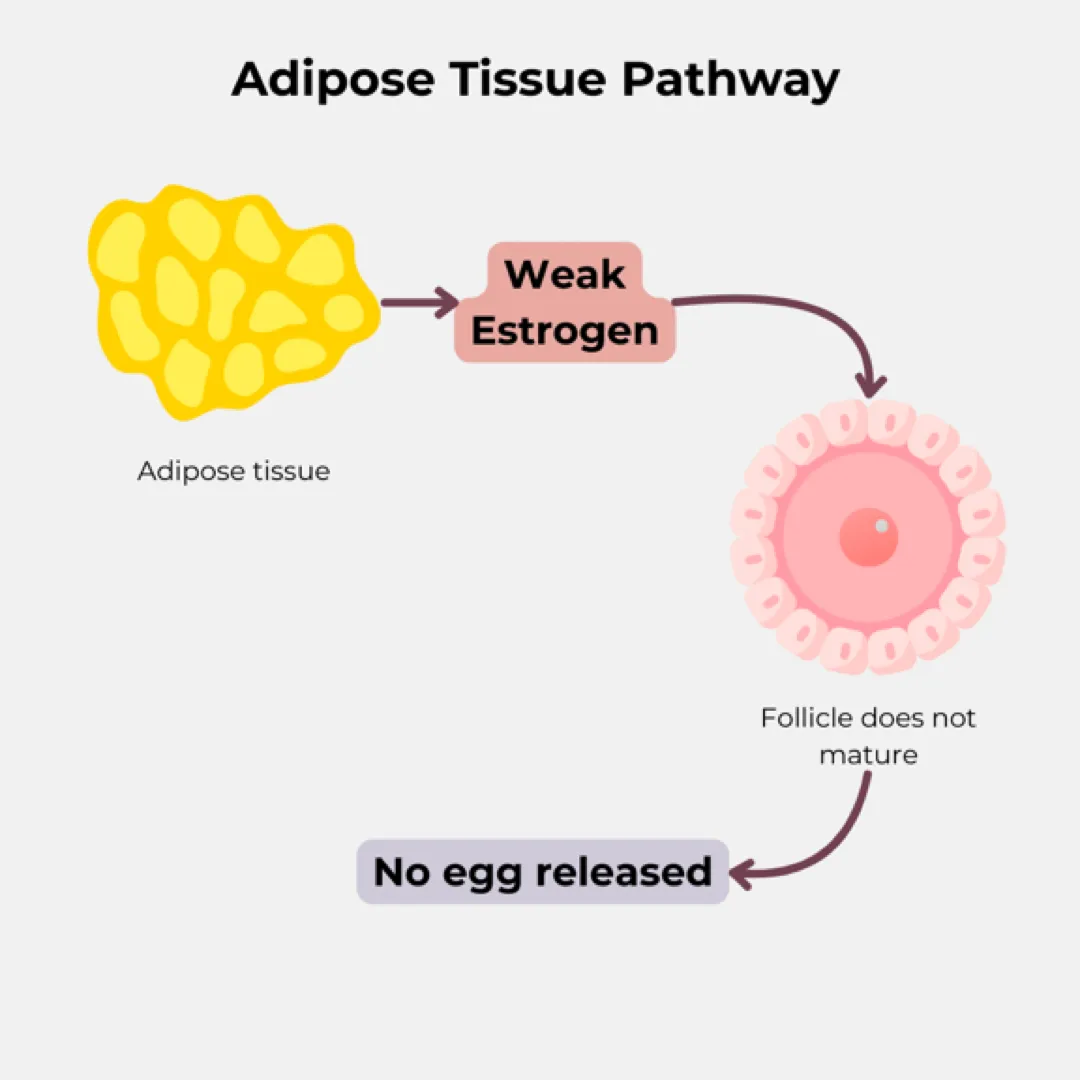
The final pathway is the adipose tissue pathway. Your body has different types of adipose, or fat, tissue. The fat tissue around your thighs and breasts is mostly harmless. The visceral fat that sticks around your liver is the form that is harmful. This fat around your liver releases weakened forms of estrogen. Your body cannot use this estrogen in the same way as the estrogen from your ovaries. It is like your body needed a knife to cut vegetables but was given a bunch of forks instead. The weaker estrogen signals from the fat cells does not allow for the follicle in your ovaries to mature, which means the egg is not released. No egg release means no period. To make things harder, having more adipose tissue around your liver increases insulin and cholesterol, making this pathway closely tied to the insulin pathway.
Symptoms of this form can be both reproductive and metabolic since it incorporates the adipose tissue and the ovaries. When looking at lab markers, you would have high fasting insulin, high cholesterol, and high testosterone. You may notice facial hair and dark skin patches. Your cycles may still be irregular despite efforts to lose body fat. Even though this type of PMOS/PCOS is closely linked to adipose tissue, we emphasize that weight is not a defining characteristic of your body. Trying to solely focus on shrinking yourself can lead you to worsen your symptoms over time. The number on the scale is a generalized overview of how your body is built and is affected by many factors. What is more important is changing your body composition. Building more muscle and decreasing your visceral fat around your liver will allow your body to more effectively use the energy you are giving it. Read Eating healthy and exercising but not losing weight? if you have been struggling with your weight even though you feel like you are doing everything correct.
Can you cure PMOS/PCOS?
Currently, there is no way to “cure” PMOS/PCOS. PMOS/PCOS is an inherited condition, so the pathways are how the body is programmed to function. Adding positive habits to help you manage your symptoms teaches the body a new way to operate. If you stop the habits, your body will likely return back to its default state. This is why it makes sense to think of PMOS/PCOS treatment as remission since you need to be consistent about the skills to keep your symptoms under control.
The five pathways discussed here are the most commonly seen in practice. However, most patients have between 1 and 3 pathways simultaneously, creating even more combinations. Thus, to have the highest chance at a successful remission, PMOS/PCOS treatment must be tailored on a case by case basis. Online PMOS/PCOS programs lack this nuance and often target only one of these pathways.
If you are dealing with PMOS/PCOS, all hope is not lost. Using a combination of diet, lifestyle, herbal medicine, and medications when necessary, our RD team has helped many women manage their symptoms and place their PMOS/PCOS into a “dormant state”. If you would like to learn the skills to target your exact PMOS/PCOS subtypes, you can schedule a free welcome call with us here.
References
- Briden, L., Shirin, S., & Prior, J. C. (2020). The central role of ovulatory disturbances in the etiology of androgenic polycystic ovary syndrome (PCOS)—Evidence for treatment with cyclic progesterone. Drug Discovery Today: Disease Models, 32, 71–82. https://doi.org/10.1016/j.ddmod.2020.11.008
- Christ, J. P., & Cedars, M. I. (2023). Current guidelines for diagnosing PCOS. Diagnostics, 13(6), 1113. https://doi.org/10.3390/diagnostics13061113
- Escobar-Morreale, H. F. (2018). Polycystic ovary syndrome: Definition, aetiology, diagnosis and treatment. Nature Reviews Endocrinology, 14(5), 270–284. https://doi.org/10.1038/nrendo.2018.24
- Hudson, T. (2008). Women’s encyclopedia of natural medicine: Alternative therapies and integrative medicine for total health and wellness (2nd ed.). McGraw-Hill.
- Hsieh, Y.-C., Yang, P.-K., & Chen, M.-J. (2021). Metabolic syndrome in polycystic ovary syndrome. Fertility & Reproduction, 3(4), 125–135. https://doi.org/10.1142/S2661318221500158
- Kim, C., Catov, J. M., Schreiner, P. J., et al. (2023). Women’s reproductive milestones and cardiovascular disease risk: A review of reports and opportunities from the CARDIA study. Journal of the American Heart Association, 12(5), e028132. https://doi.org/10.1161/JAHA.122.028132
- Robards, K. (2022, July 7). Women with PCOS may have higher risk of sleep apnea. Sleep Education (American Academy of Sleep Medicine). https://sleepeducation.org/women-pcos-higher-risk-sleep-apnea/
- Romm, A. (2017). Botanical medicine for women’s health (2nd ed.). Churchill Livingstone/Elsevier.